Why we are needed
The challenge we’re tackling
School isn’t working for too many neurodivergent teens
44% of autistic students experience bullying at school.
Giftedness is often overlooked, especially when combined with learning differences.
Many families turn to homeschooling, correspondence, or health school because mainstream classrooms don’t fit.
Getting help is harder than it should be
A diagnosis in New Zealand can cost $700+ and take 6–12 months.
Most teachers receive little training on neurodiversity or giftedness.
Schools are stretched, making it hard to meet individual needs.
The stakes are high — but so is the potential
Autistic and ADHD young people are at higher risk of anxiety, depression, and school dropout.
Dyslexia and ADHD make gaining qualifications and keeping employment more difficult.
Yet, with the right support, these same young people thrive — using their creativity, focus, and problem-solving in extraordinary ways.
We’re not the only ones saying this…



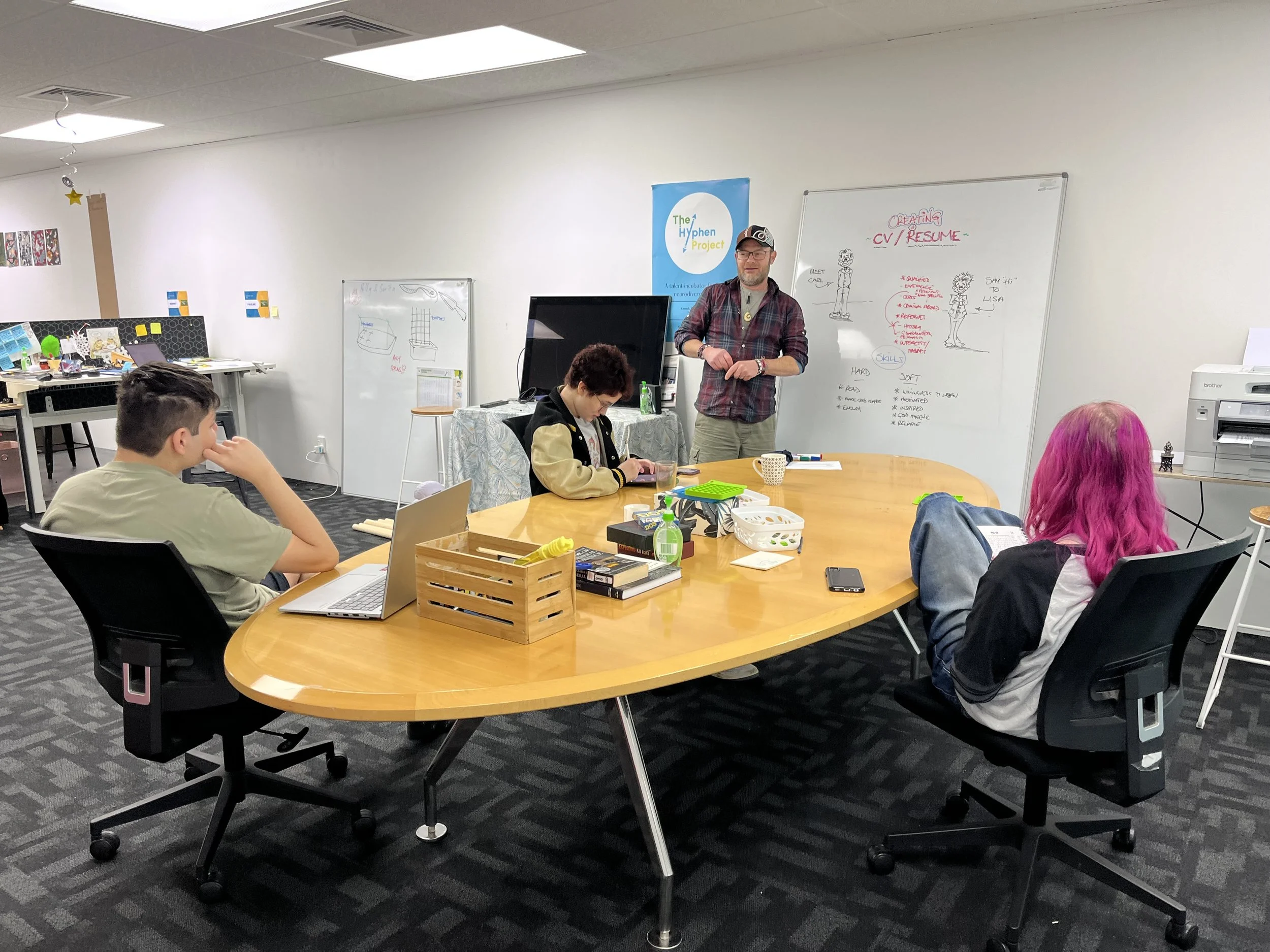
How we’re different
The Hyphen Project isn’t school, tutoring, or just another programme. It’s a whole new way of supporting twice-exceptional teens to thrive.
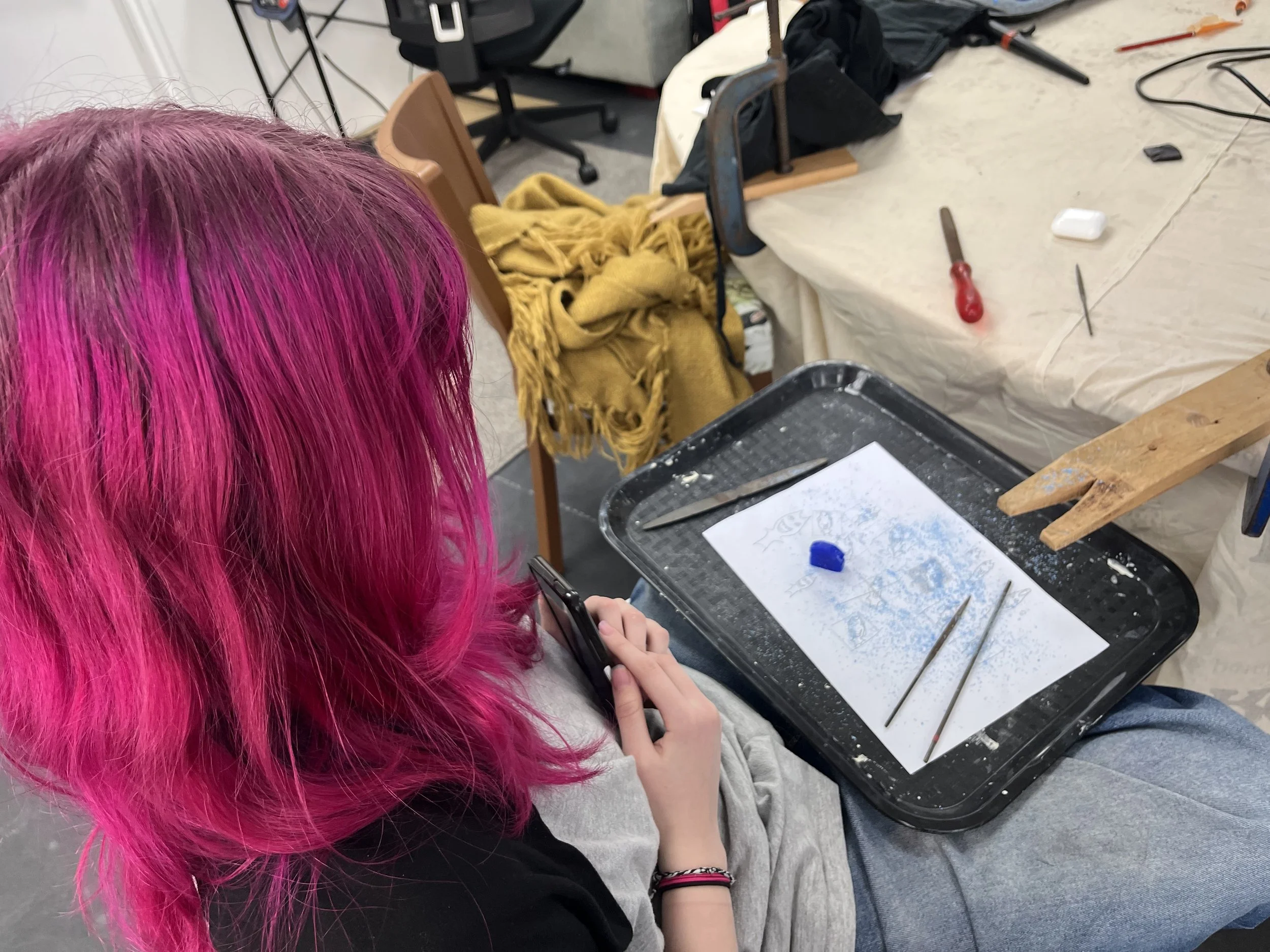
Strengths, not problems.
We focus on what young people can do, not what they can’t.
Flexible by design.
Each journey is shaped by the needs and goals of the individual, not a set curriculum.
A safe space for experimentation.
We help learners develop strategies and skills to thrive in less supportive environments when necessary.
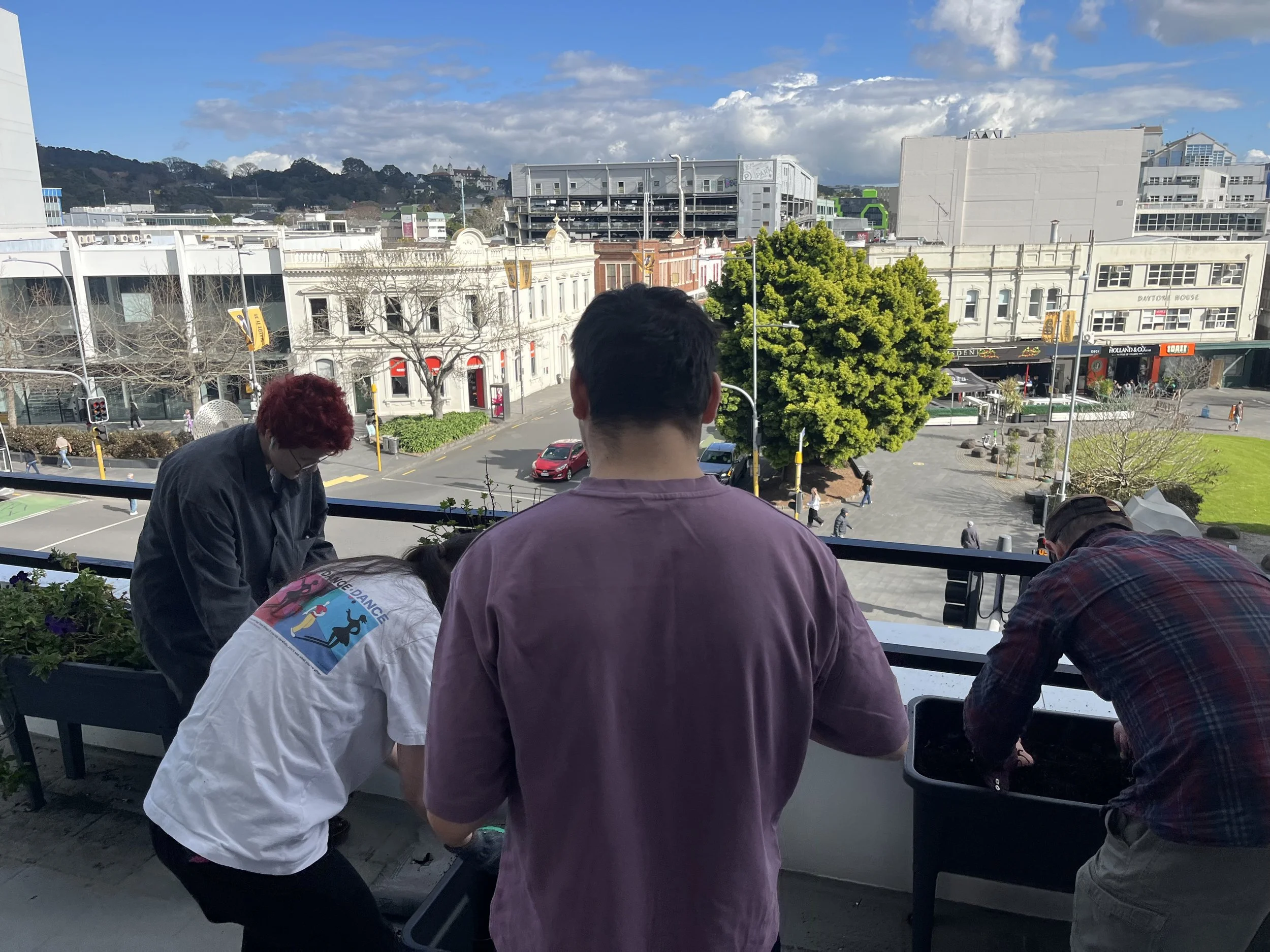
Connected to the real world.
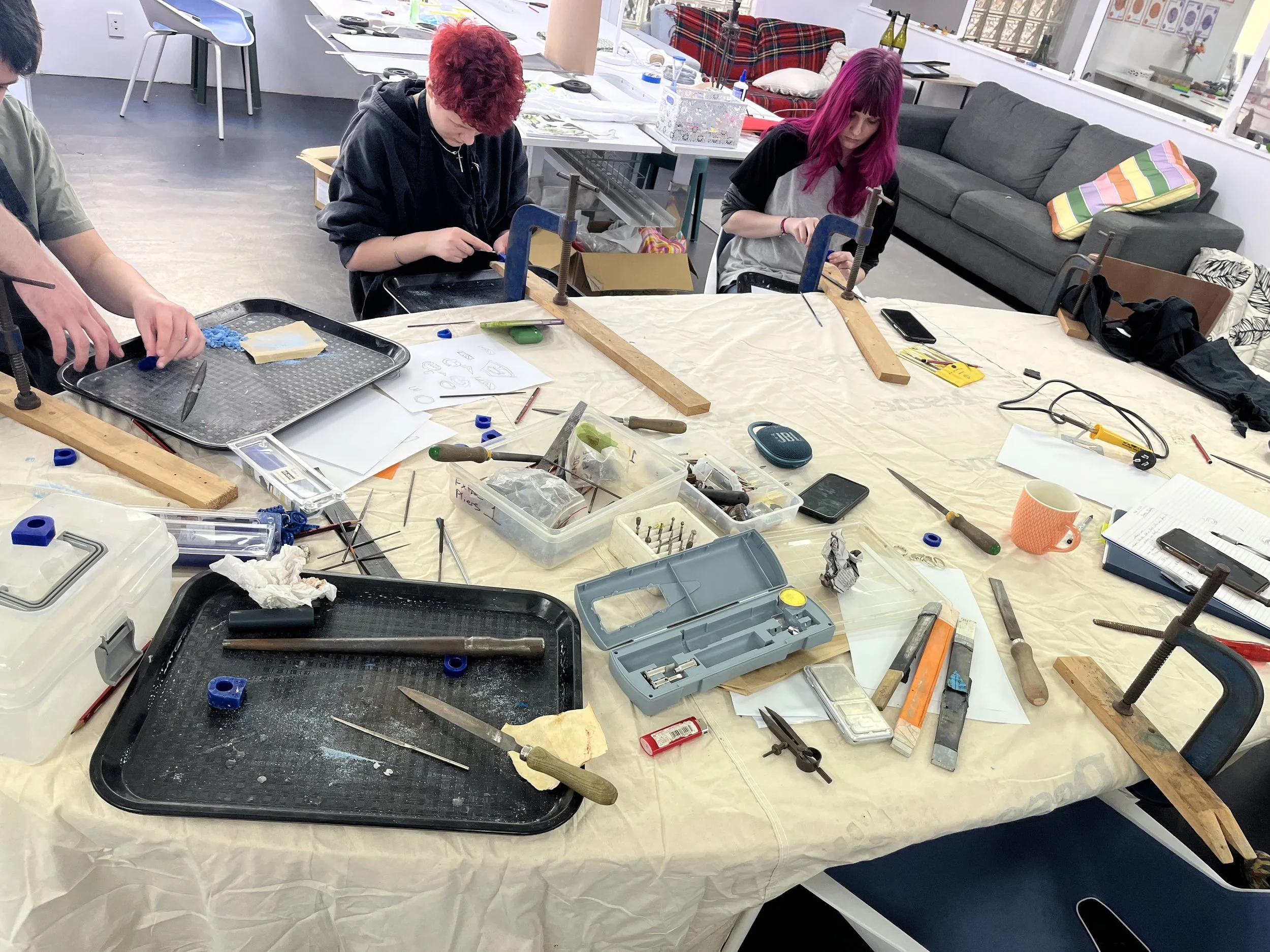
We open doors to industry, projects, and opportunities that inspire.
Structure without pressure.
We offer routine, support, and focus – not extra demands.
Connection at the heart.
Real relationships and face-to-face interaction matter more than content.
A place to belong.
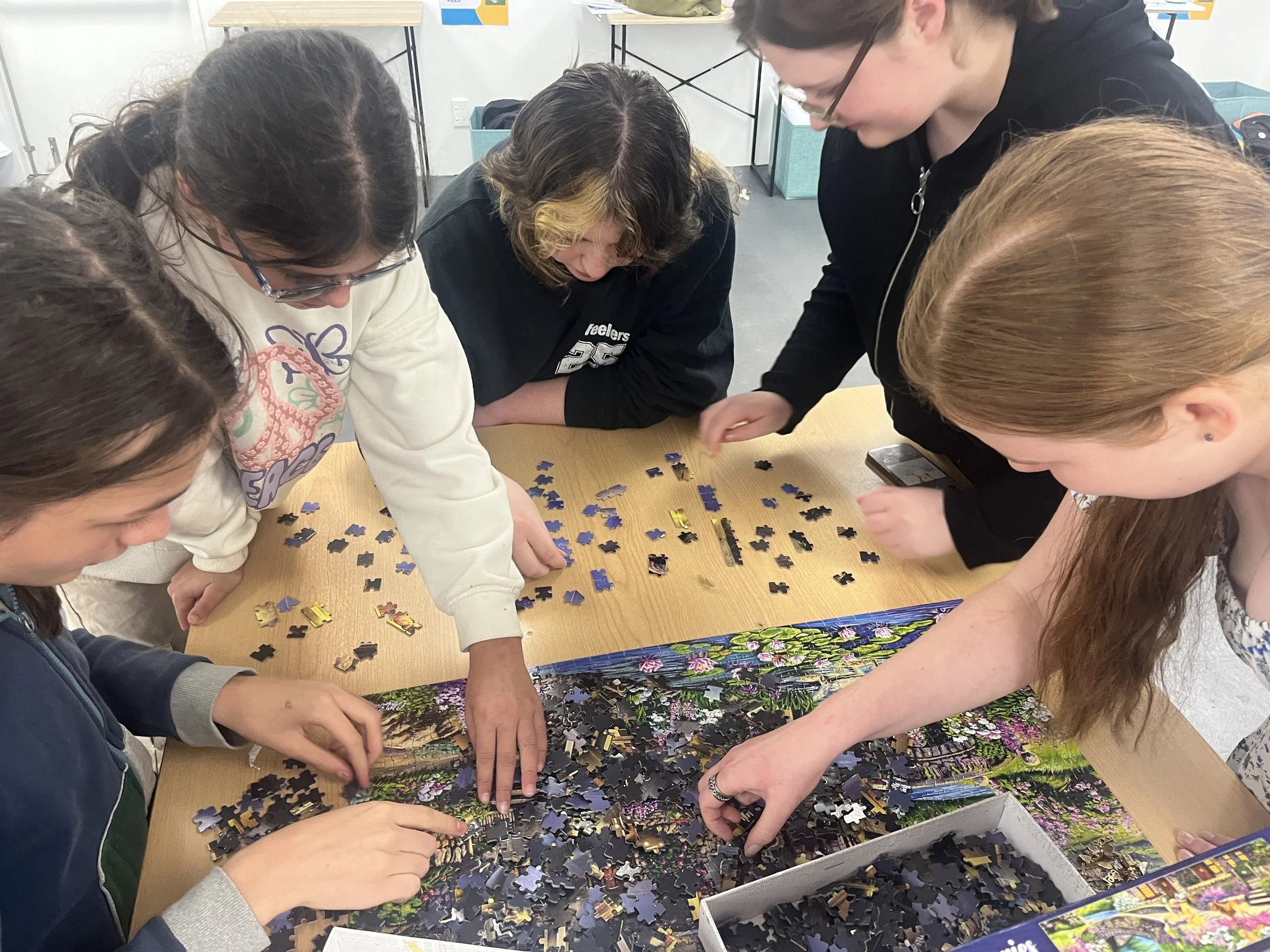
Teens find community, purpose, and a reason to step out of their bedrooms.
Led by people who ‘get it’.
Our team has lived experience with twice-exceptionality, not just training.
"You’ve already provided greater insight re [my teen's] ways of working than any of the many other professionals we have engaged during [their] shortish lifetime." — PARENT
“I underestimated the value of being supported by someone who not only understands the neurodivergent brain but is neurodivergent [themselves].” — TEEN


“Dyslexia affects all areas of life not just reading and writing” - Mike Styles.
We are Education 4.0
We focus on skills and knowledge that our young people require today to engage in a future shaped by artificial intelligence and uncertainty.
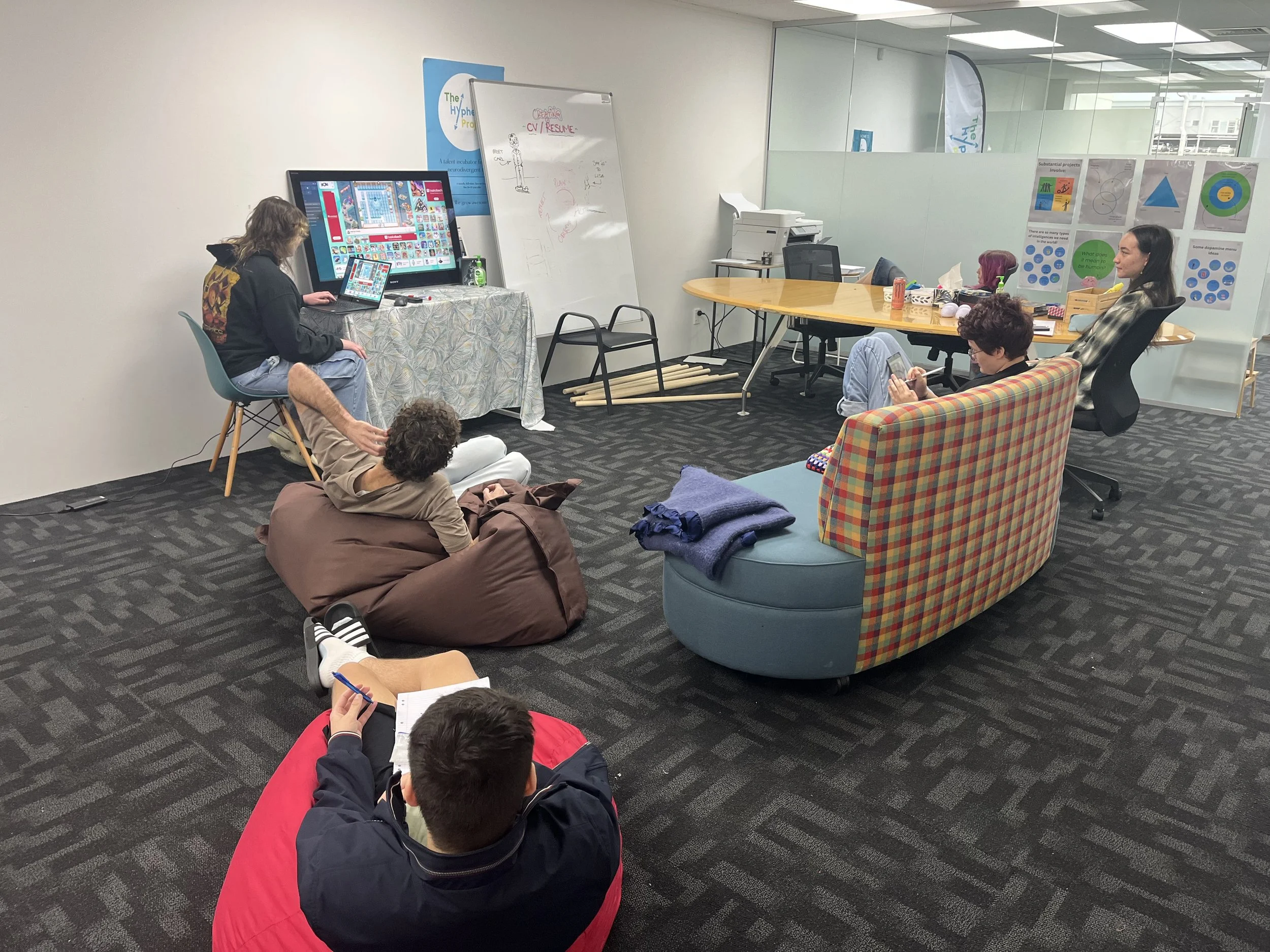
That’s why The Hyphen Project exists: to change the story for brilliant, neurodivergent teens and their families.